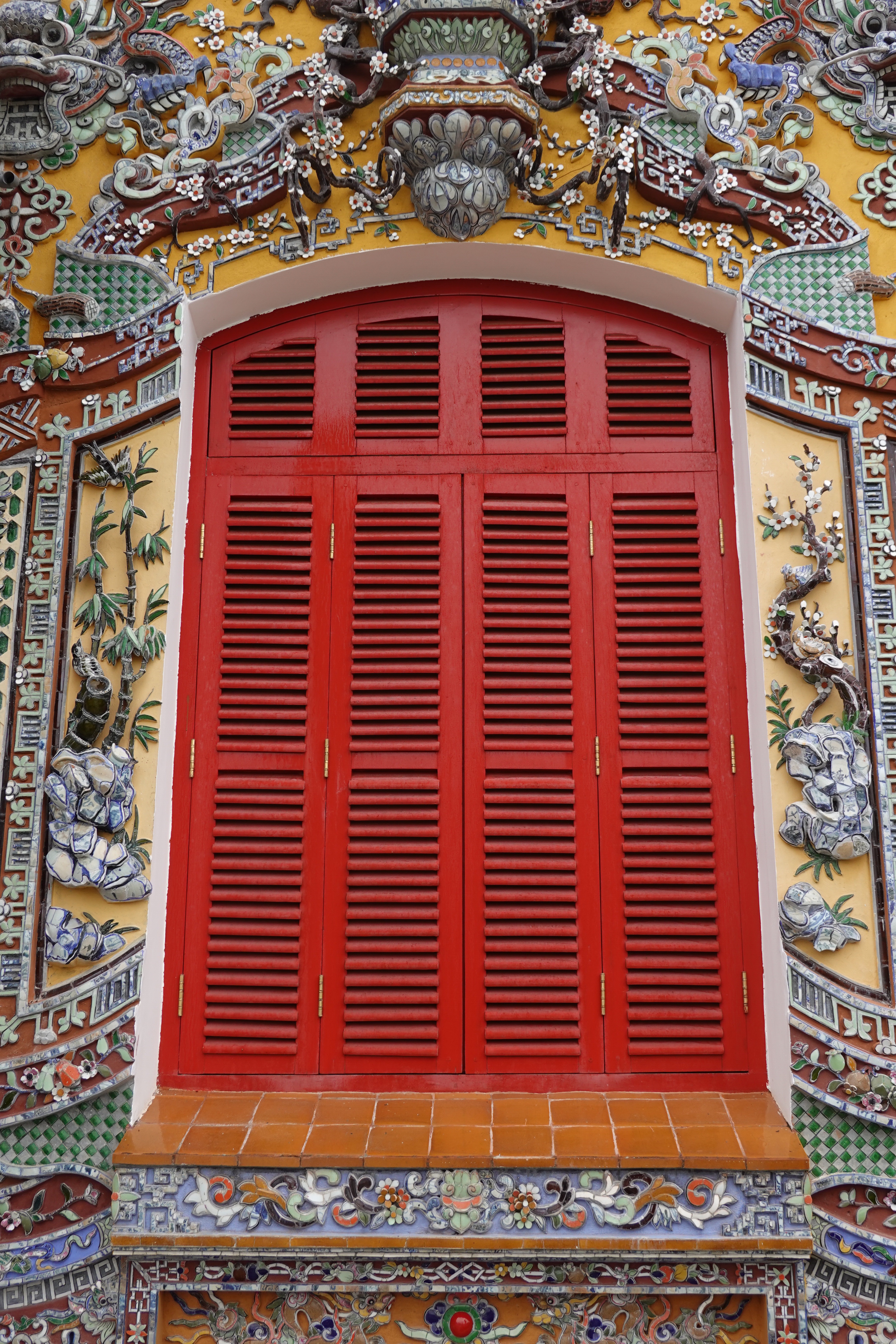
Apologies to Bruce Hornsby, and also to the Range. A town with a name like Hué, pronounced Hway, is bound to generate bad English puns and allusions to song lyrics. I initially remembered a long forgotten and very small John Prine song – Way Down – but the possibly positive lines (Spring is just a smile away/Laughing at a summer day) are far outweighed by the rest of the downright depressing lyrics and so I just let his melancholy voice ricochet around in my head for a while but decide to ignore the song as unrepresentative of lovely Hué.
We really did not have enough time in lovely Hué. But we did have enough time to see a few things, both Imperial and not. Hué was the Vietnamese capital of the last Vietnamese royal dynasty, which only lasted from the early 1800s to 1945. Our local guide spoke reasonably positively of the early editions of this bunch, as they pulled together various feudal warlord territories into a unified Vietnam, but she referred to all that followed the French dropping in as “puppet kings”, which is both an accurate term and a somewhat sophisticated political concept to express in what is not her language. These puppets tended to fare less well than, say, Kermit, and a couple lasted only 3 days (which has to be some kind of record) or a few months before succumbing to “bad seafood” served up by unscrupulous mandarins whose money was on one of the other candidates. While we did not get a detailed explanation, it seemed to us that the last king’s purchase of a one way ticket to France in 1945 might not have been unrelated to Ho’s Declaration of Independence the same year, and our guide made it clear that there was little keening in despair when the last guy slipped out the back door, trying not to make too much noise as he left.
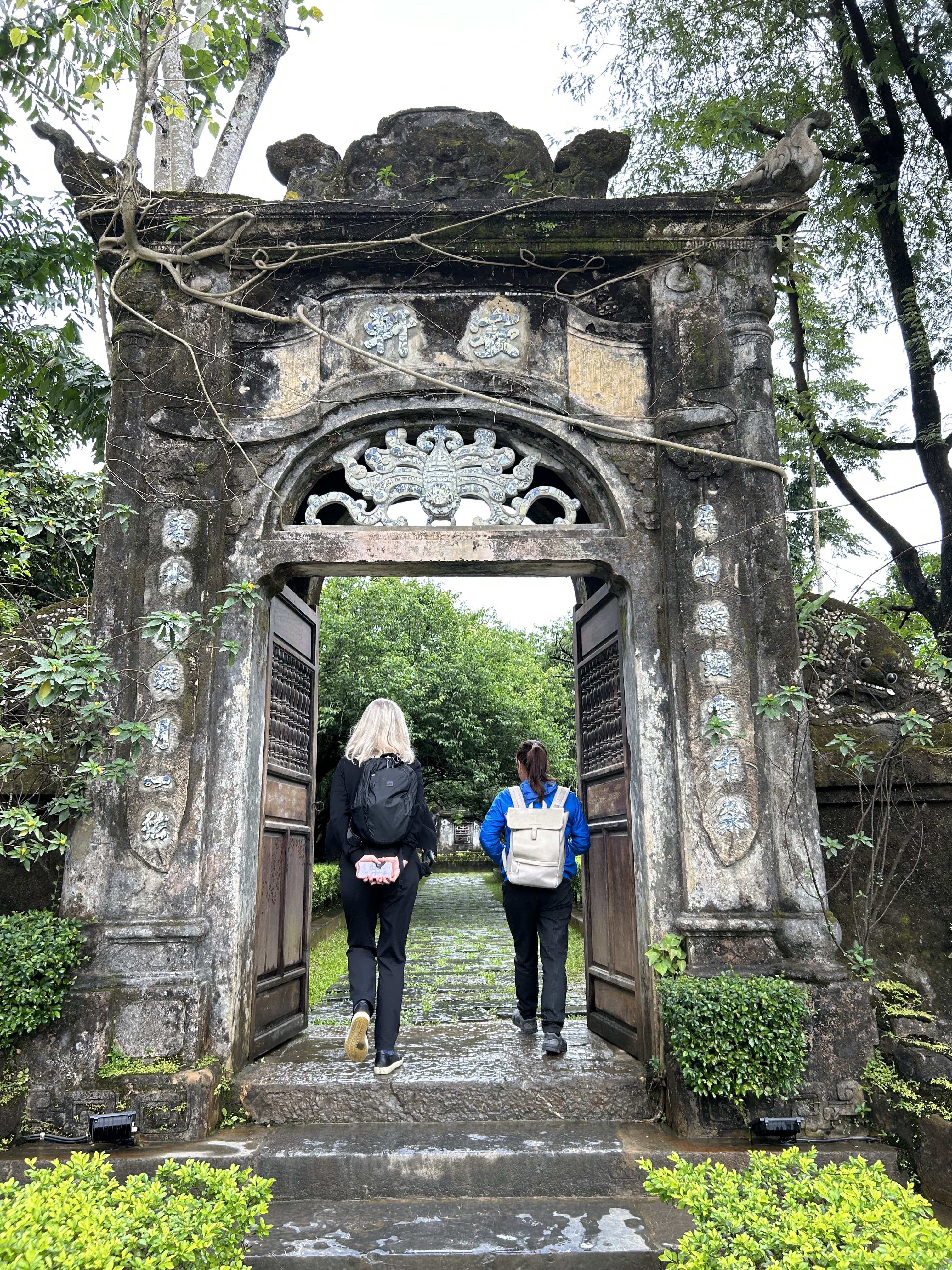
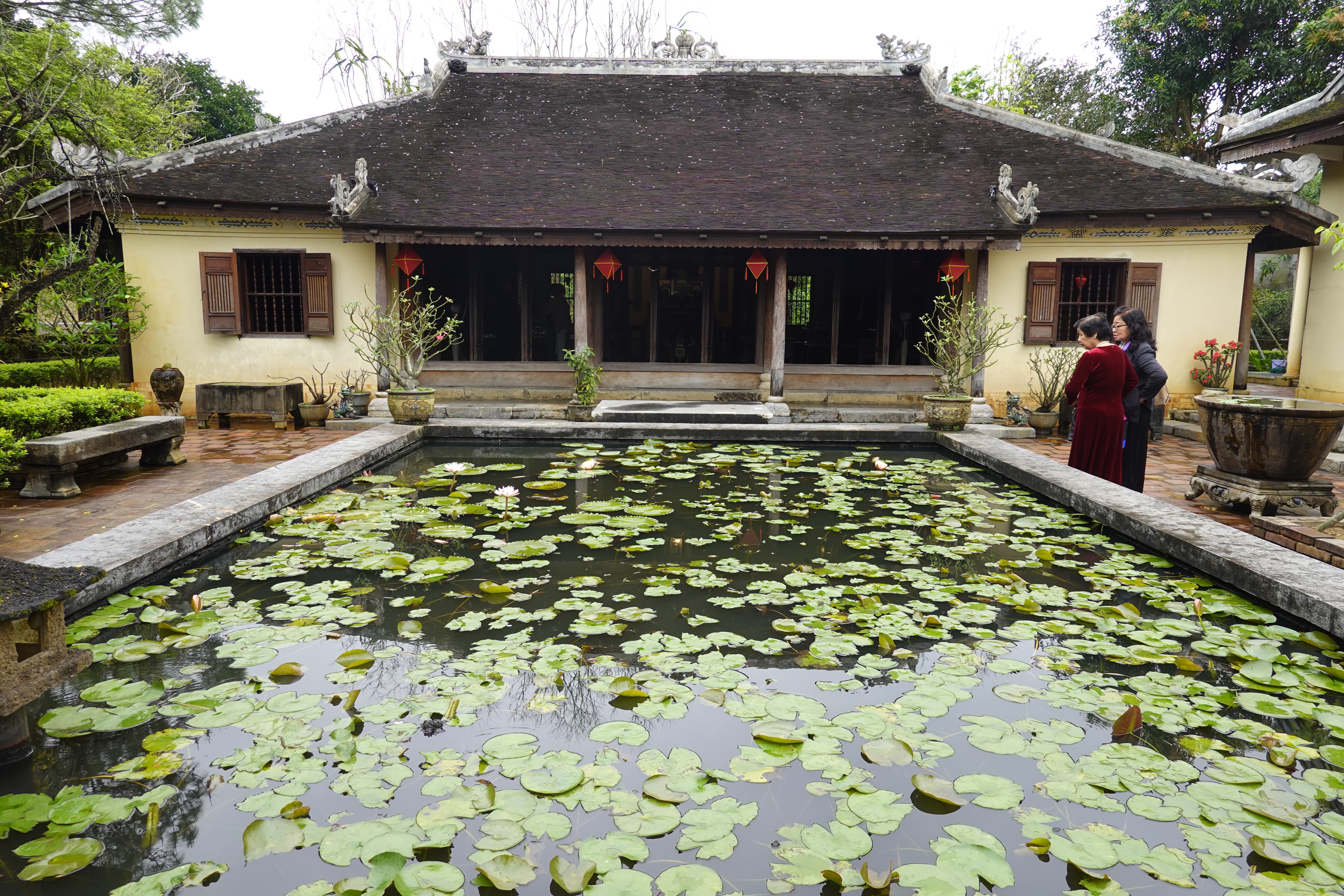
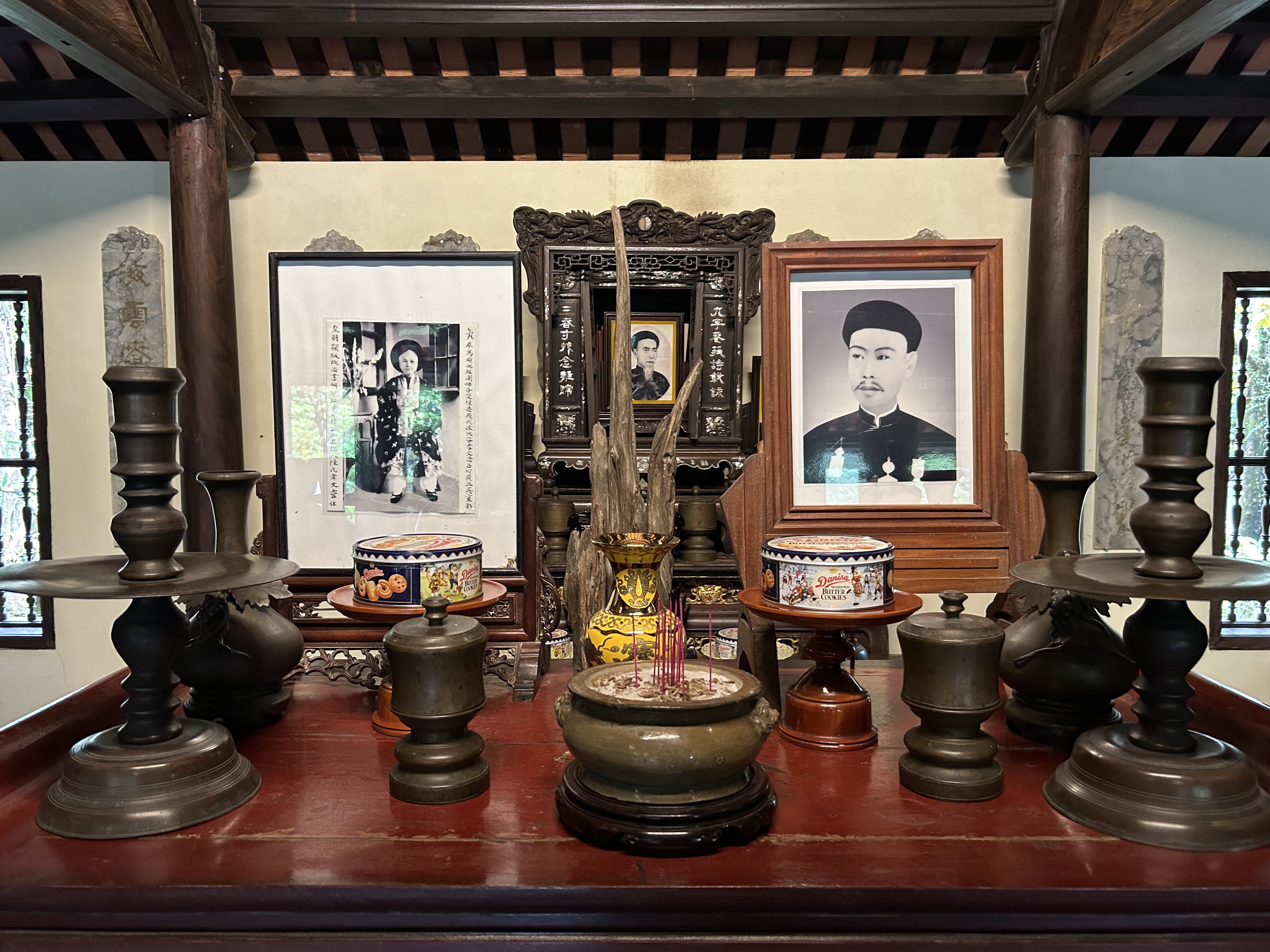
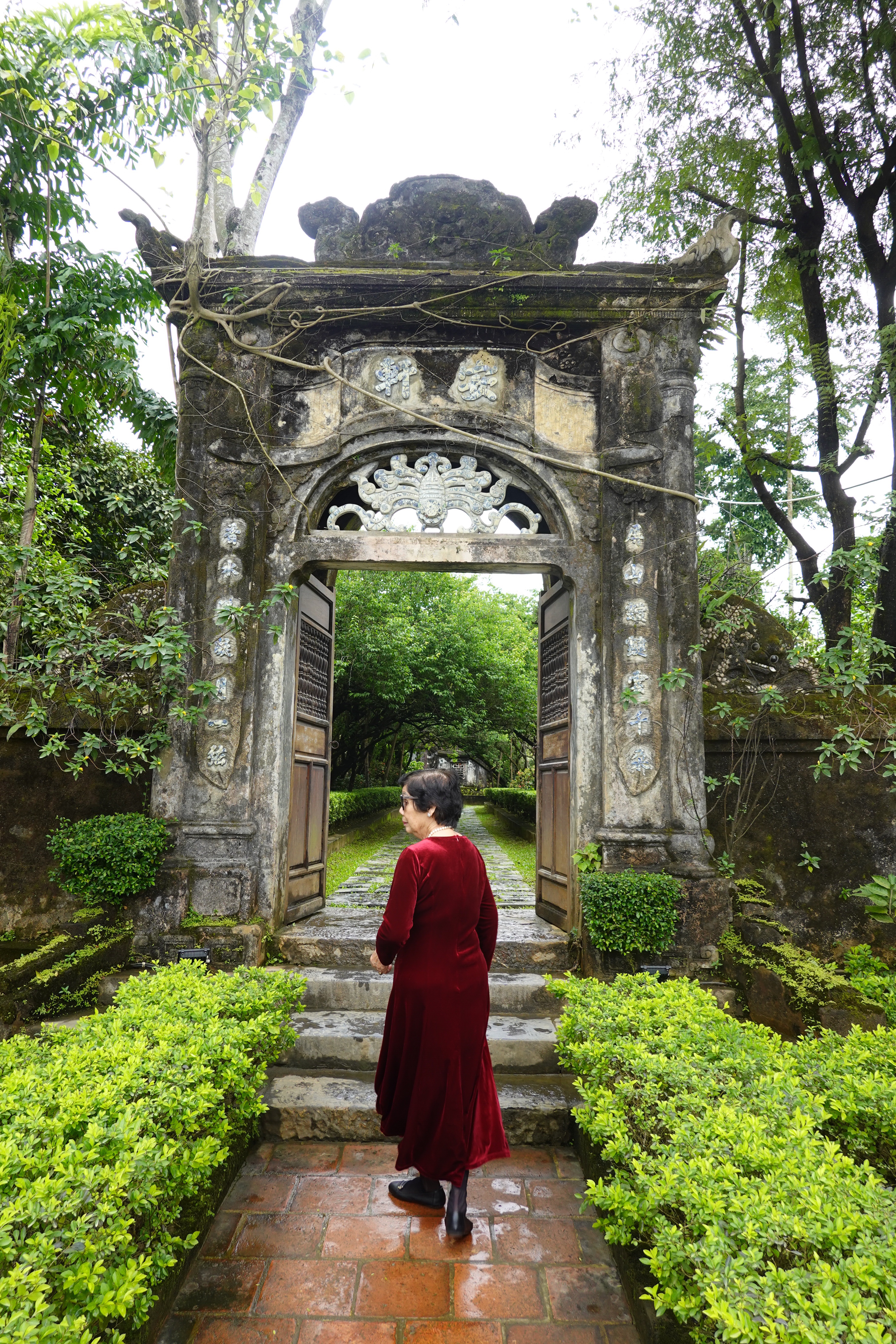
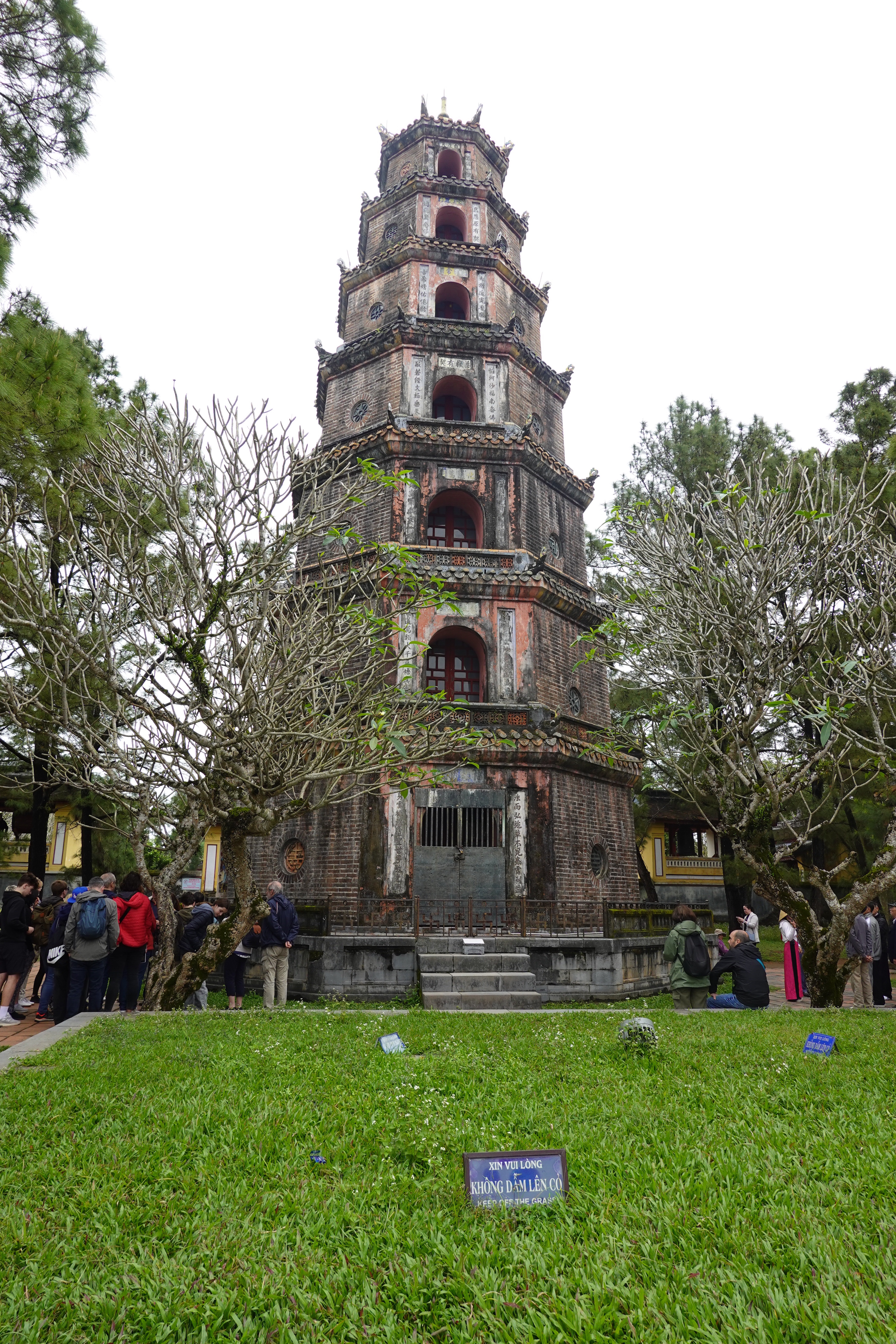
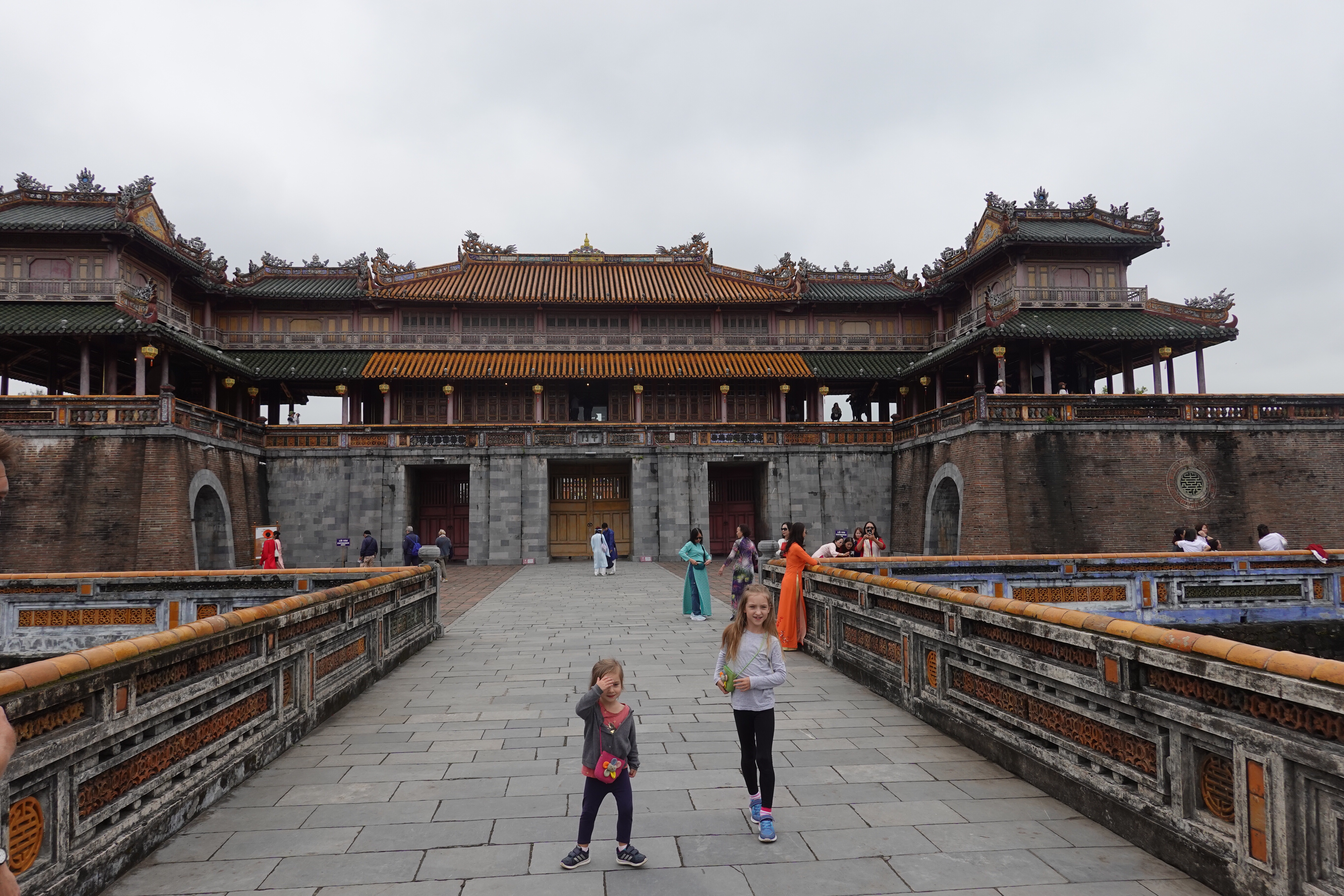
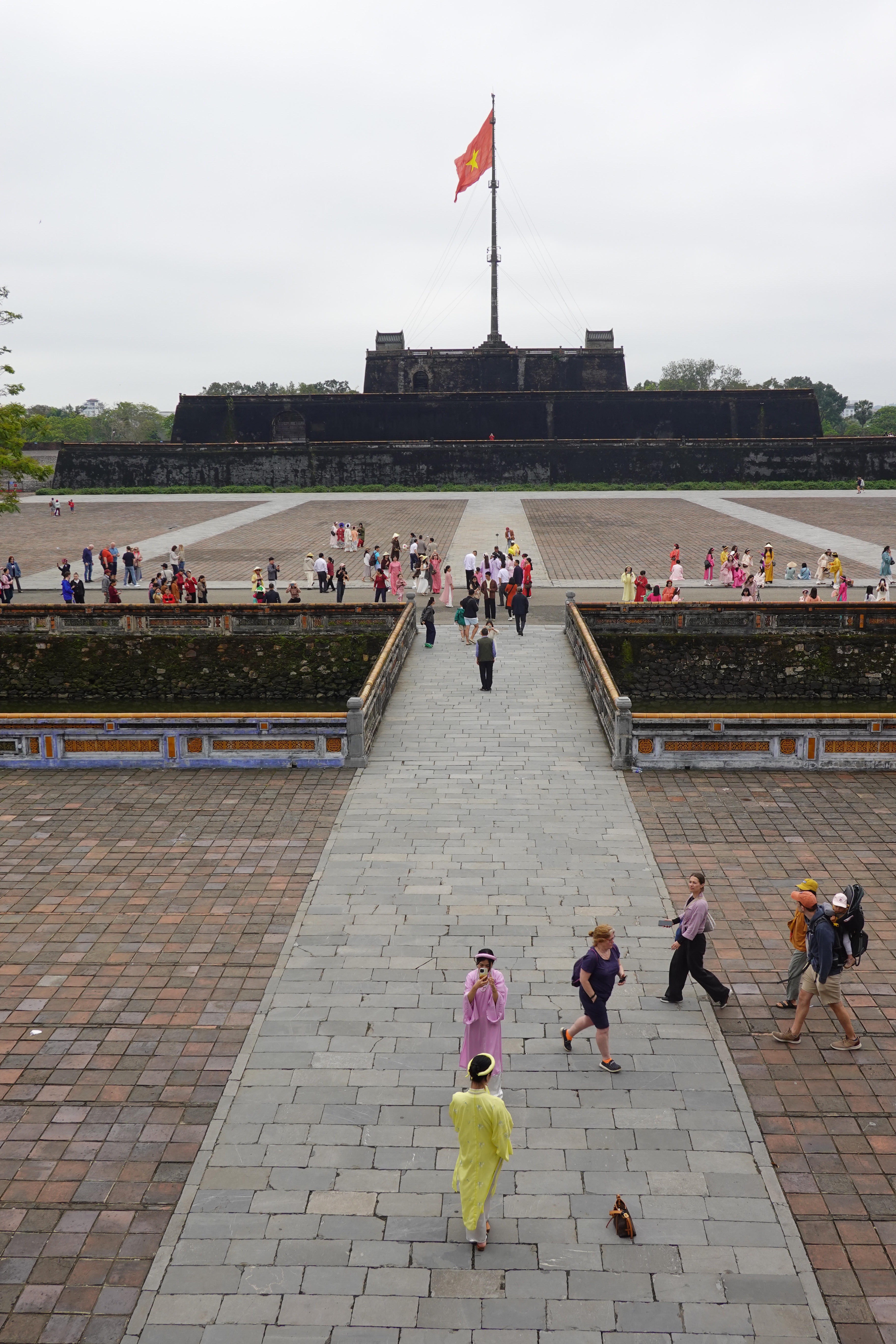
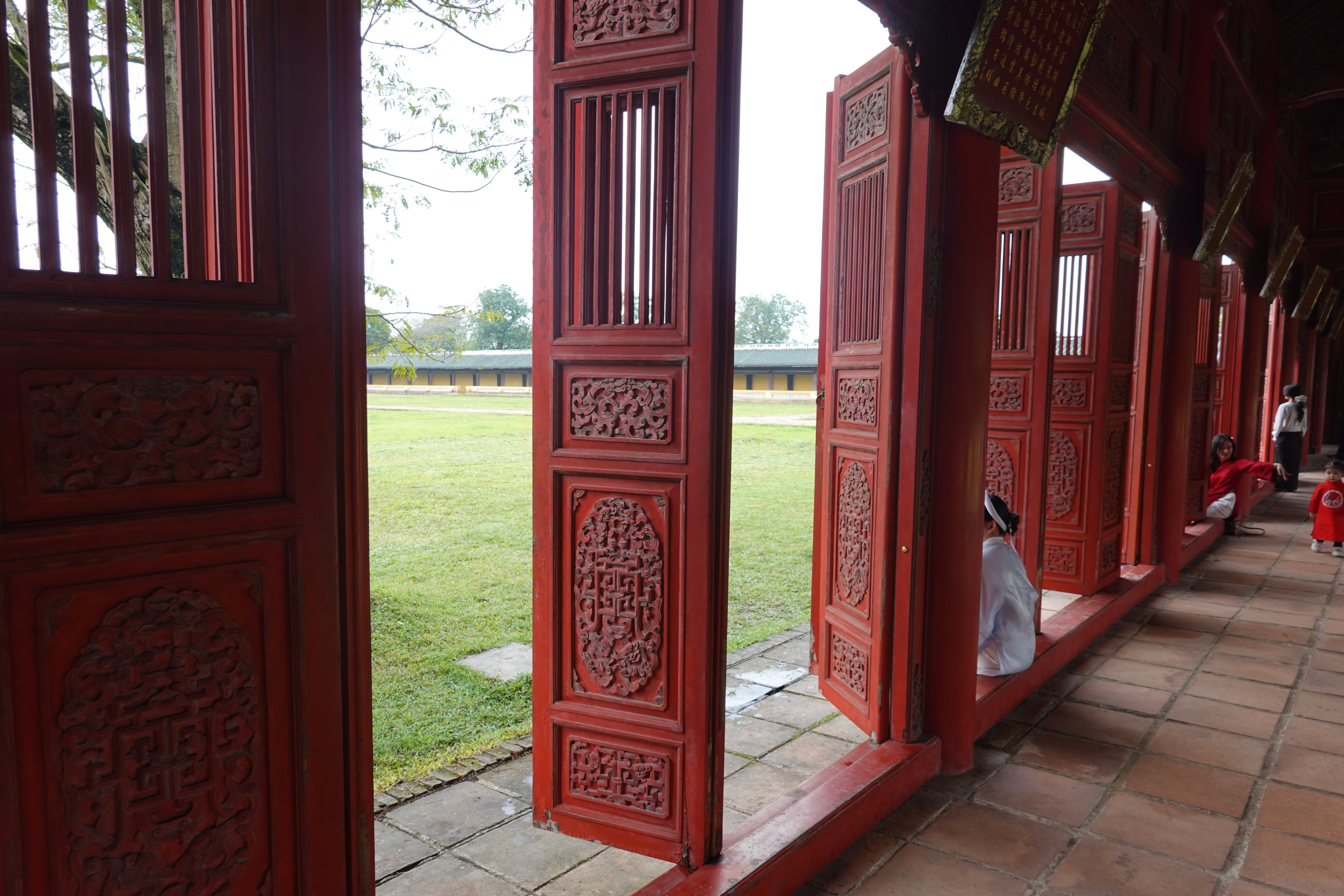
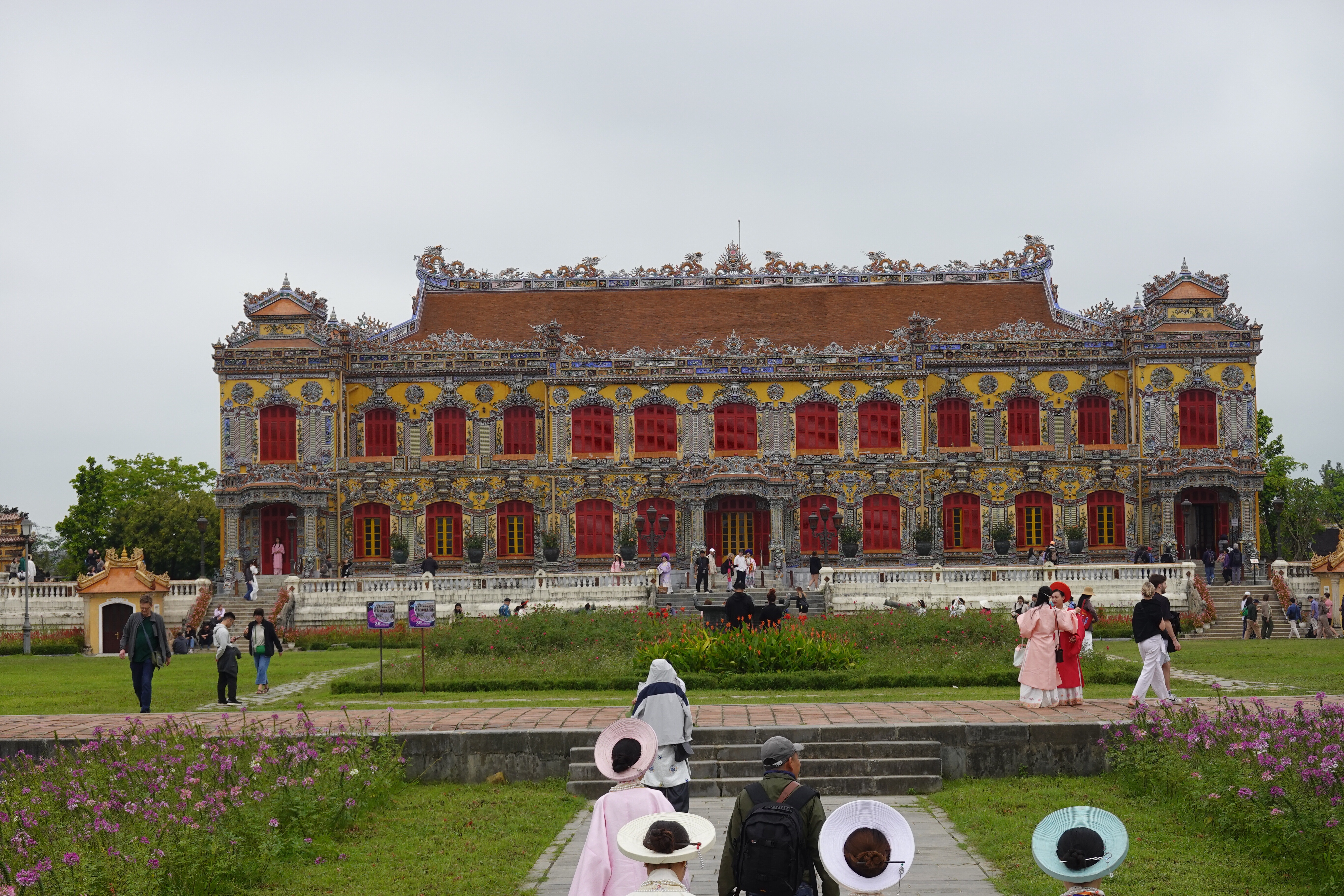
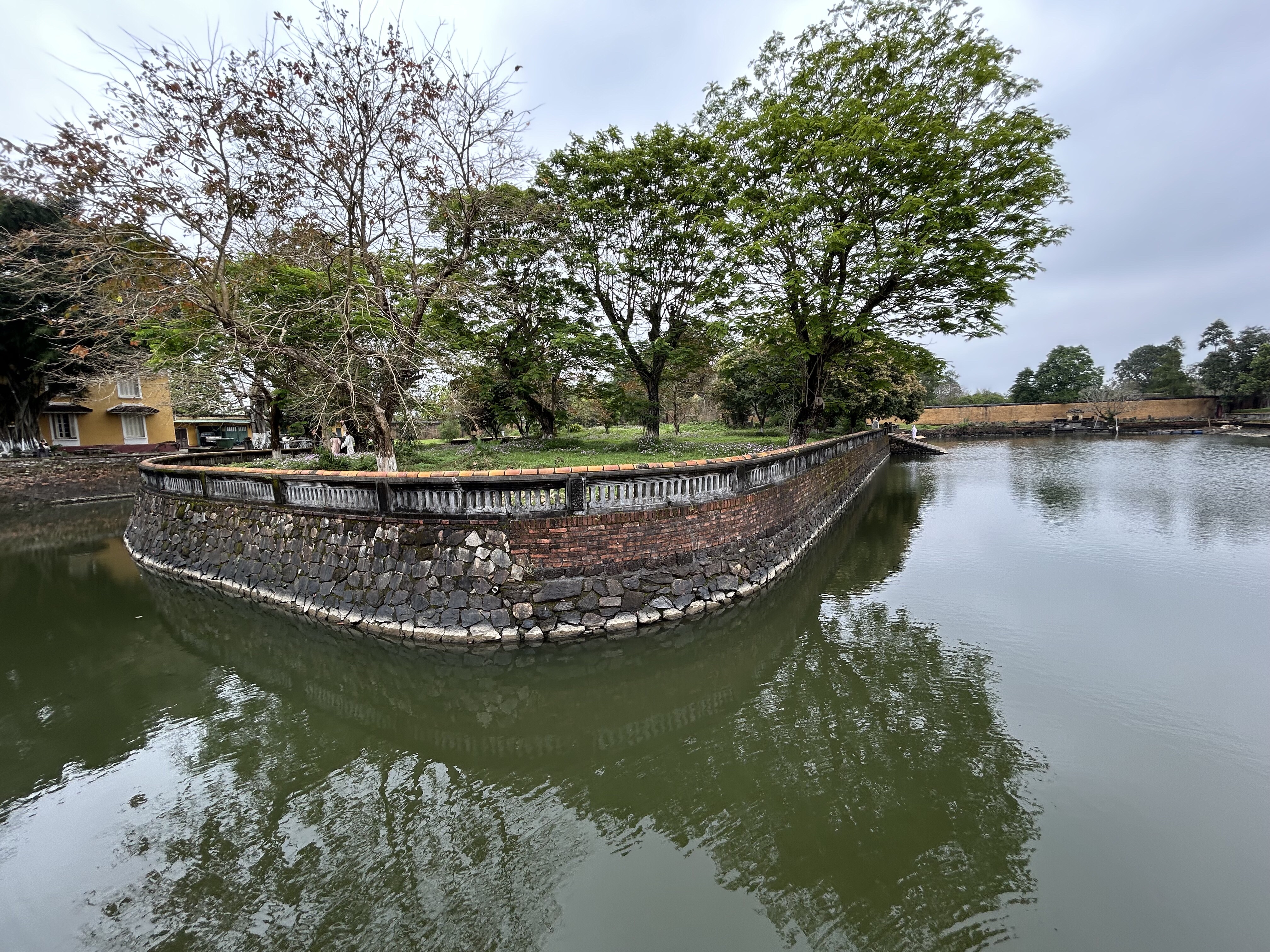
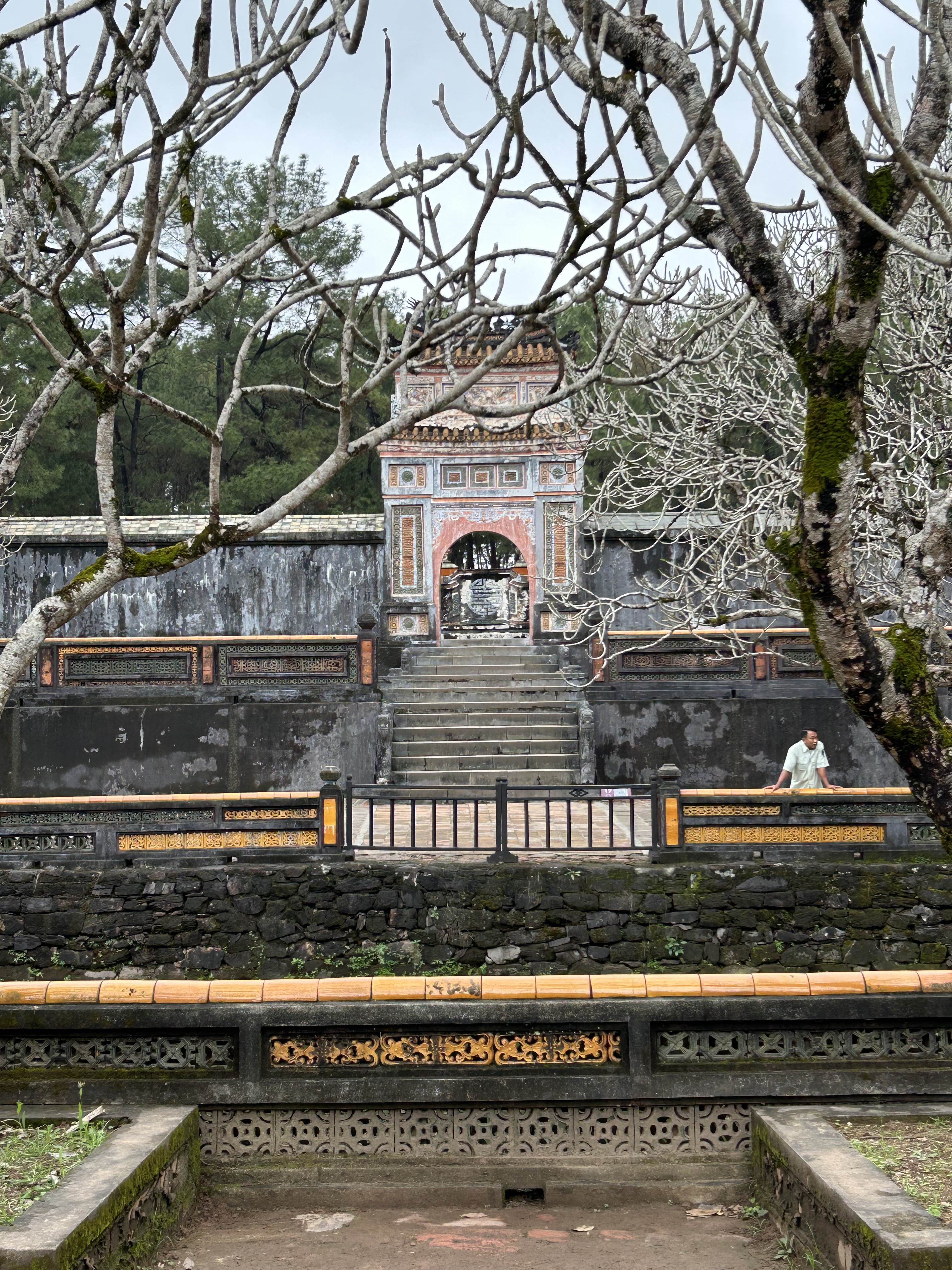
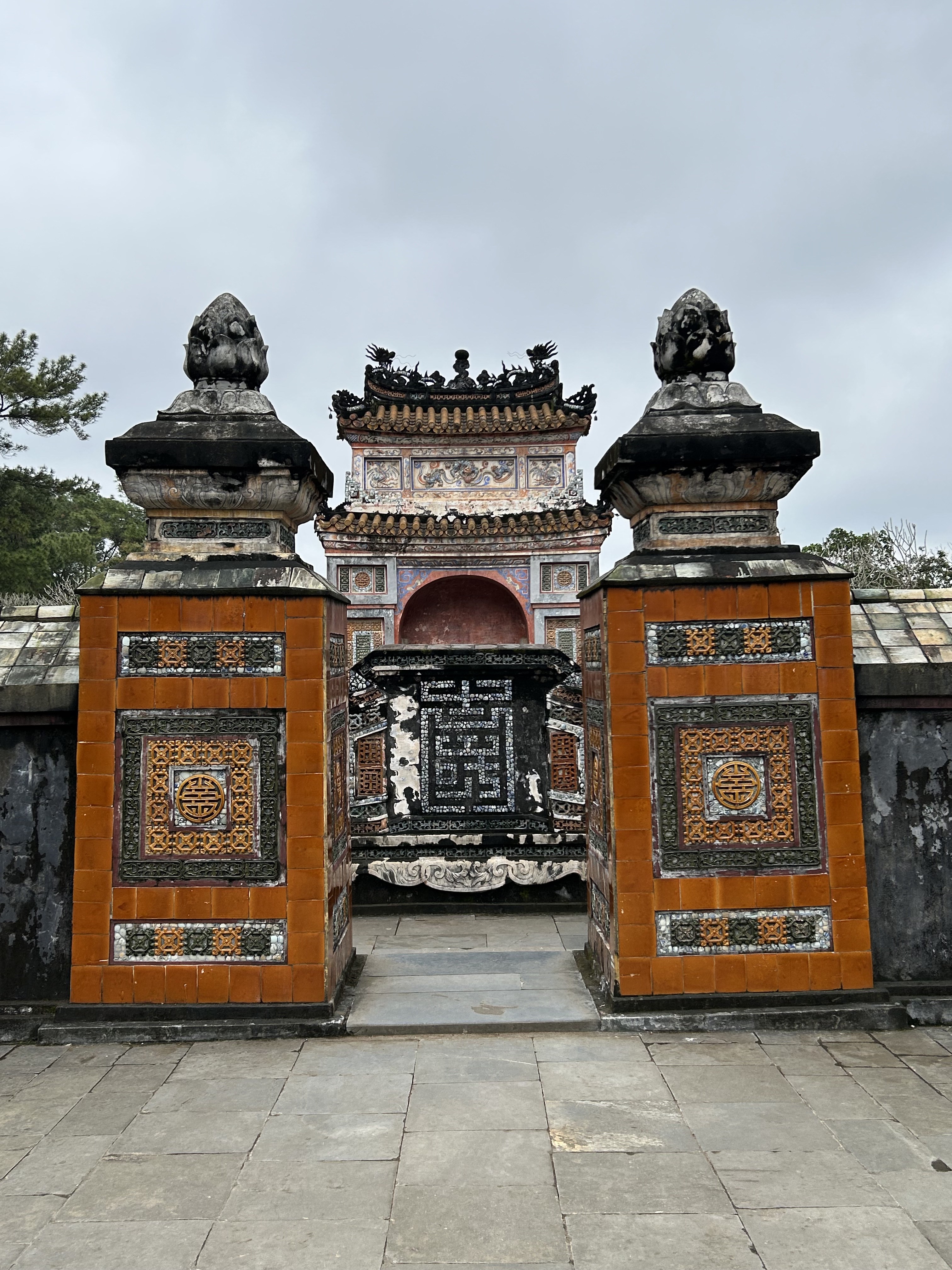
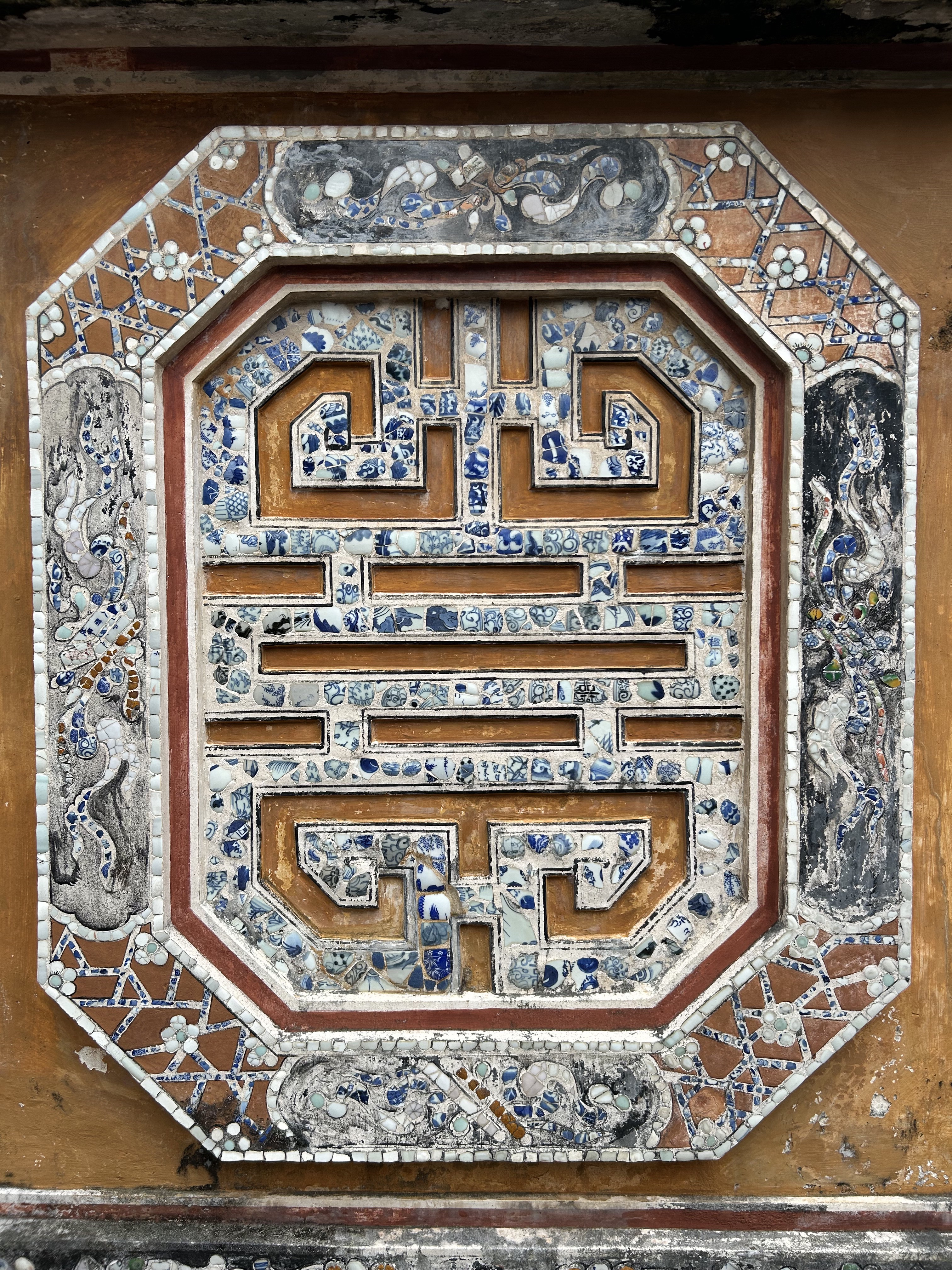
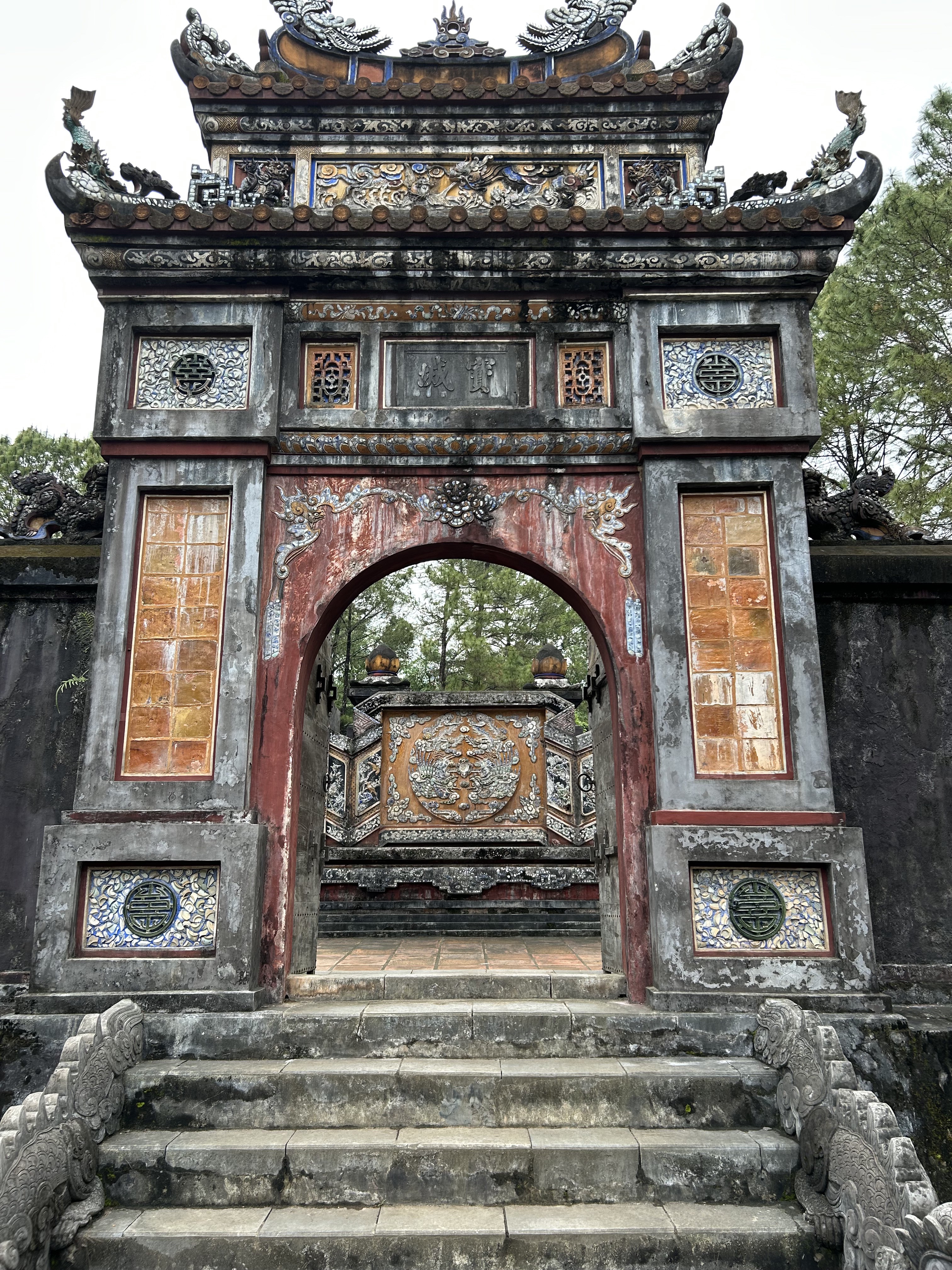
AnyHué. These kings managed to create some very cool things in between taxing the population, mingling with the 100 or so concubines that each kept on the side to go with their several wives, and doing whatever the French told them to do. We visited a beautiful airy house built for a princess, with a feng shui inspired pond in front, which the princess sold to a mandarin only a year later. We spent a lot of time in the Imperial City, a large walled and moated imperial space set inside a much larger walled and moated precinct with 10 kilometres of perimeter walls, with the larger precinct full of houses and streets and stores but with the smaller space preserved for what remains of the kings’ residence and offices and ceremonial buildings after American bombs blew most of it up in 1968. And we went to the outskirts of Hué to see an early king’s summer palace and to see his tomb and those of his wife and one of who his adoptive sons who lasted only 7 months on the throne and so did not have time enough to build himself a tomb on his own property. And in between all that we went to a very old pagoda with a 7 storey tower (we have been schooled repeatedly on the fact that “pagoda” refers to the entire temple complex, and not to the tower, which is referred to as the tower) and with a small number of monks still in residence.
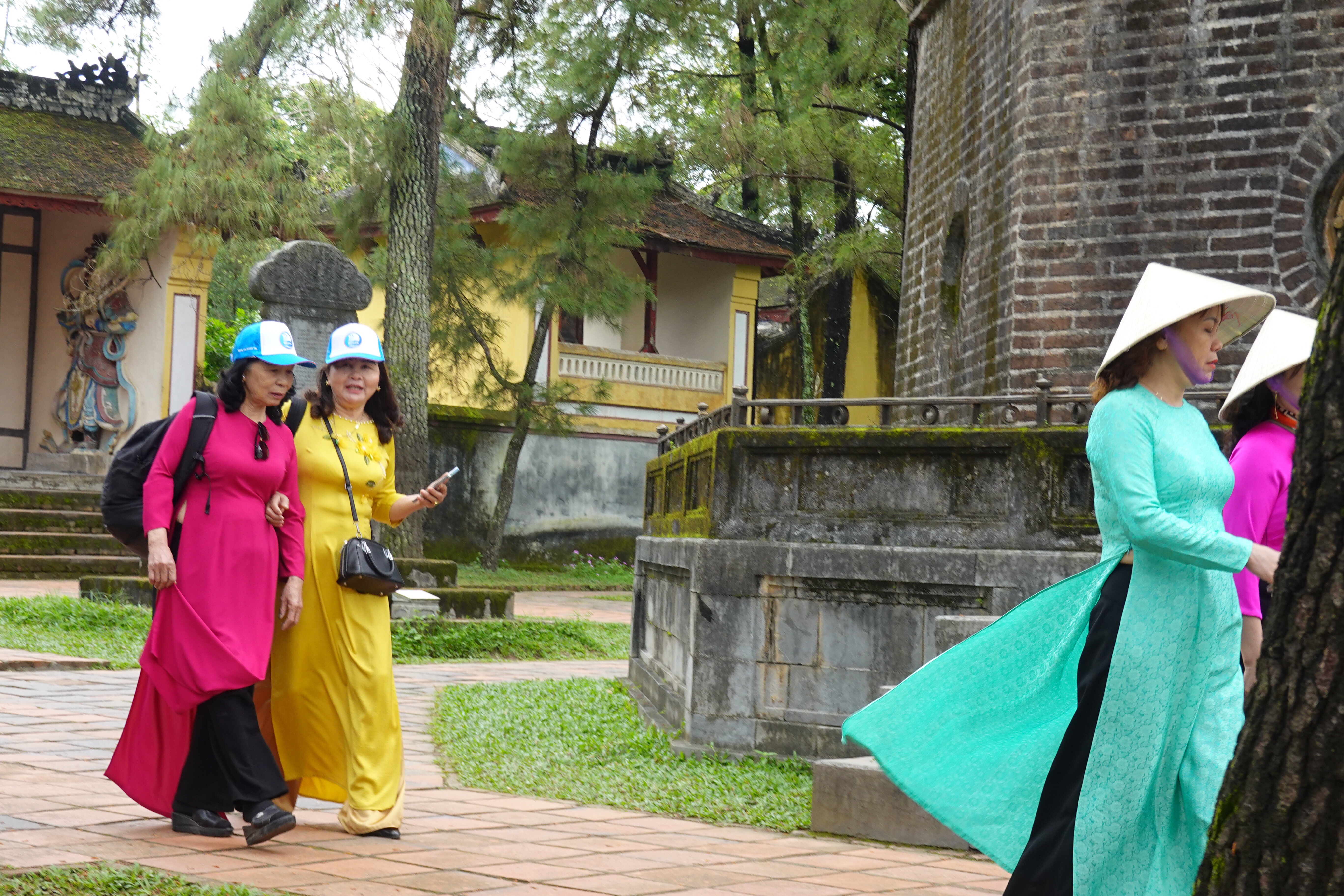
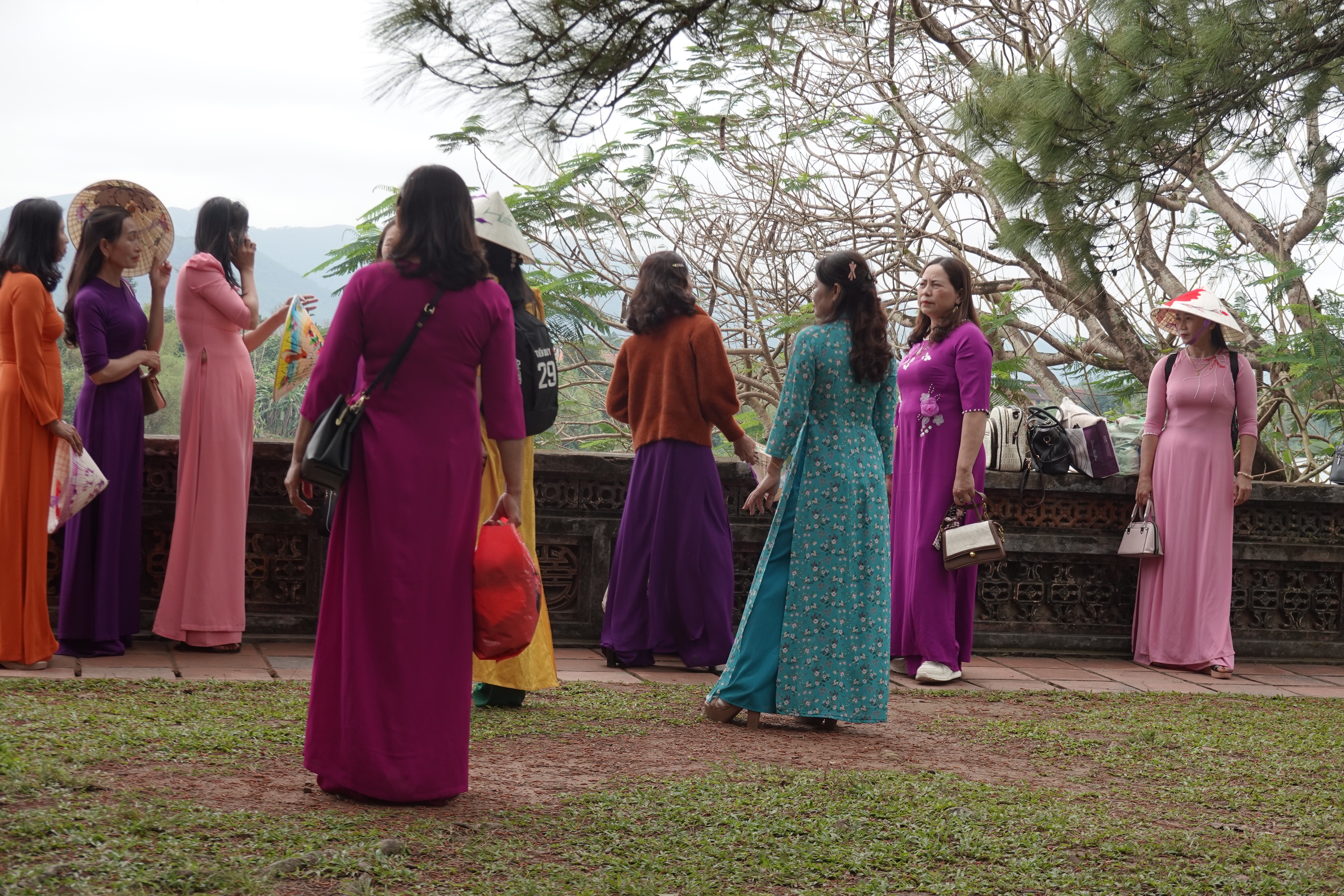
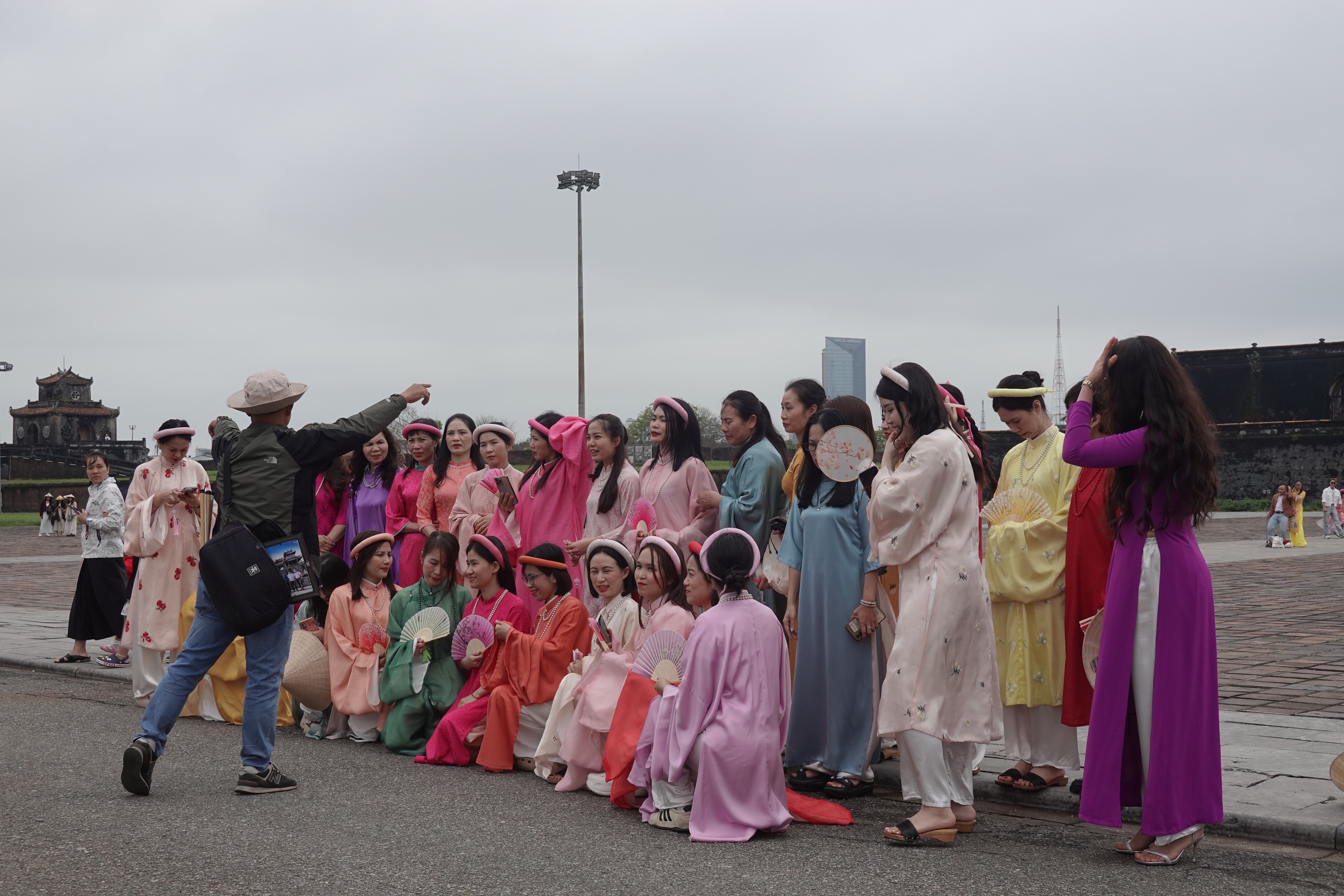
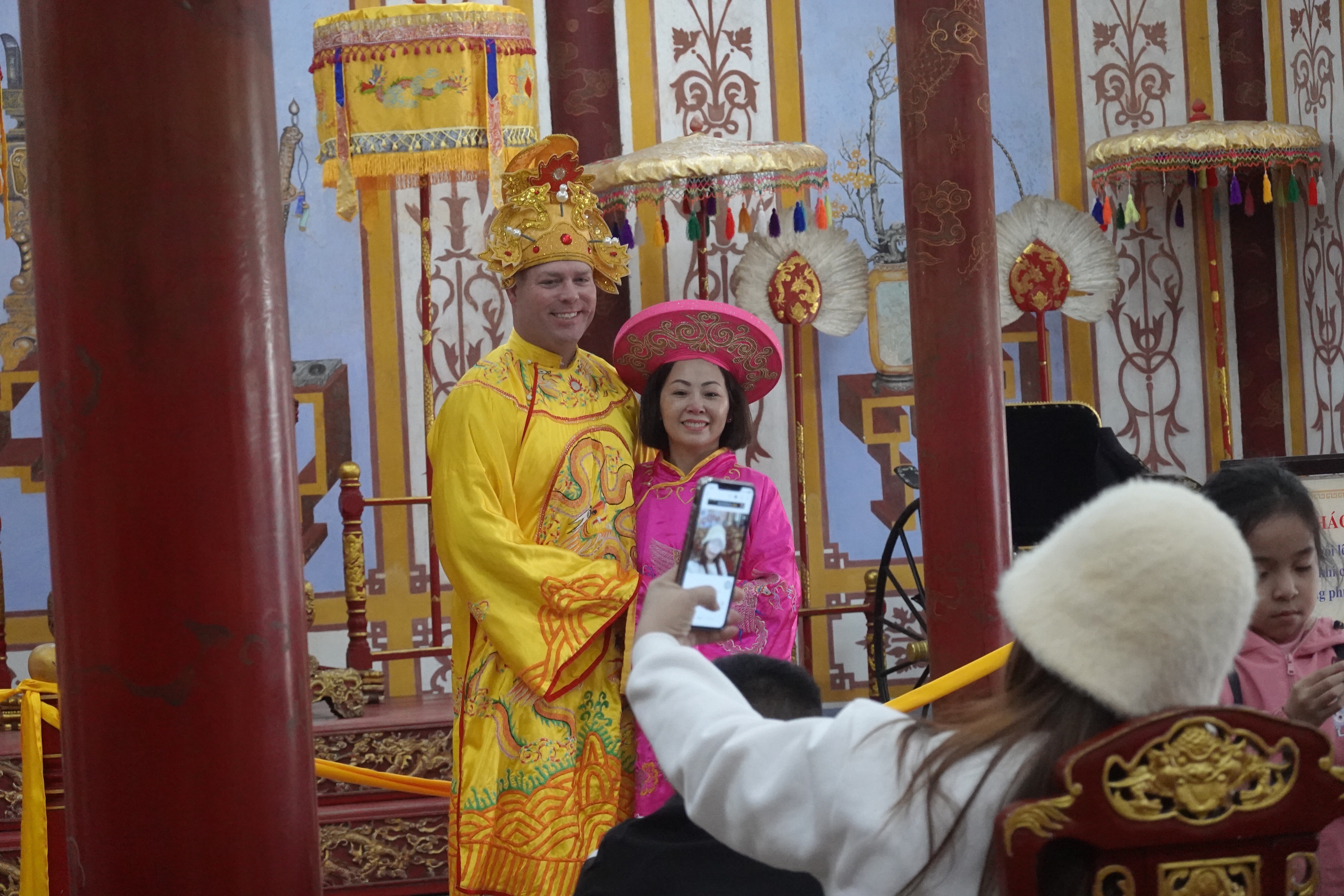
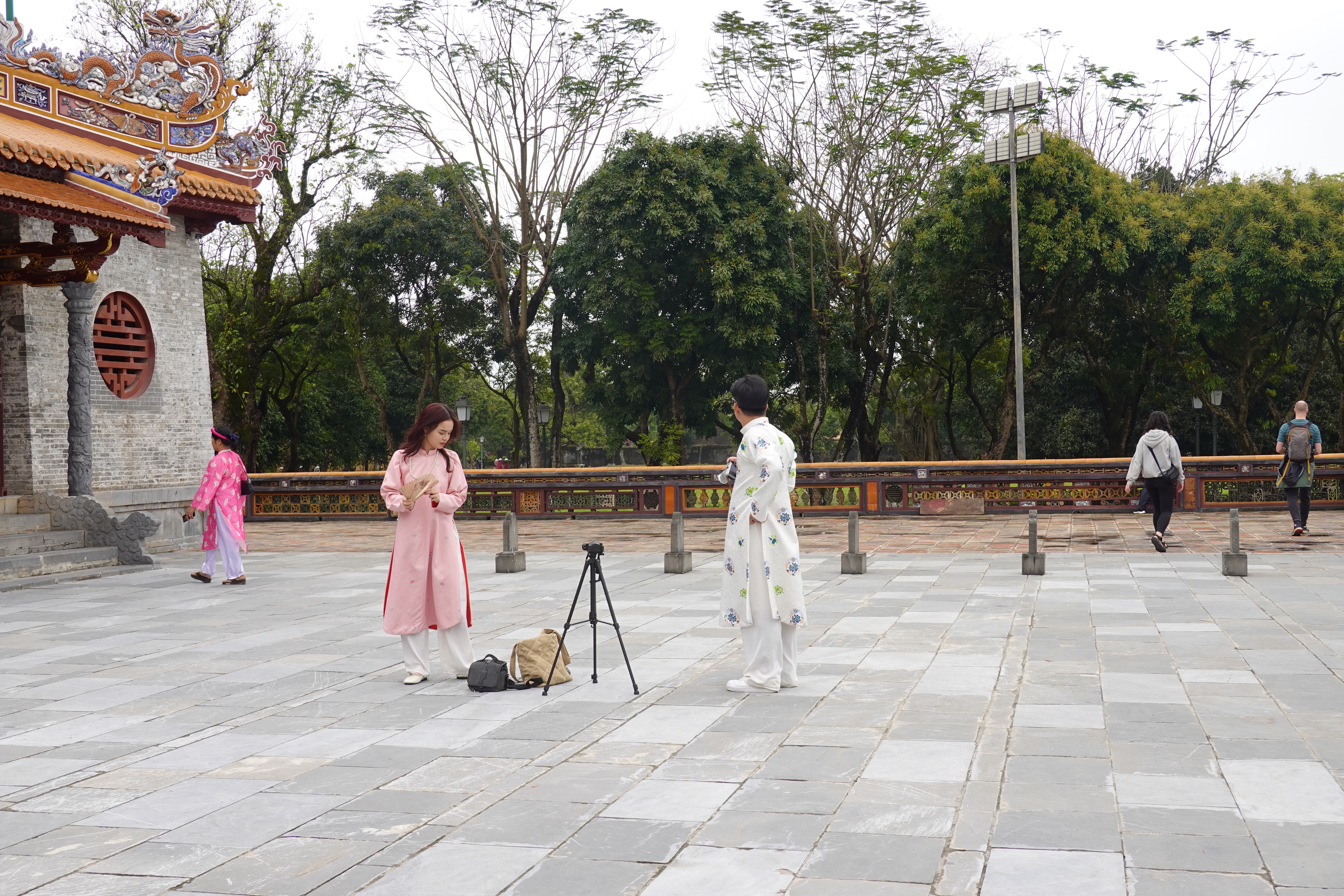
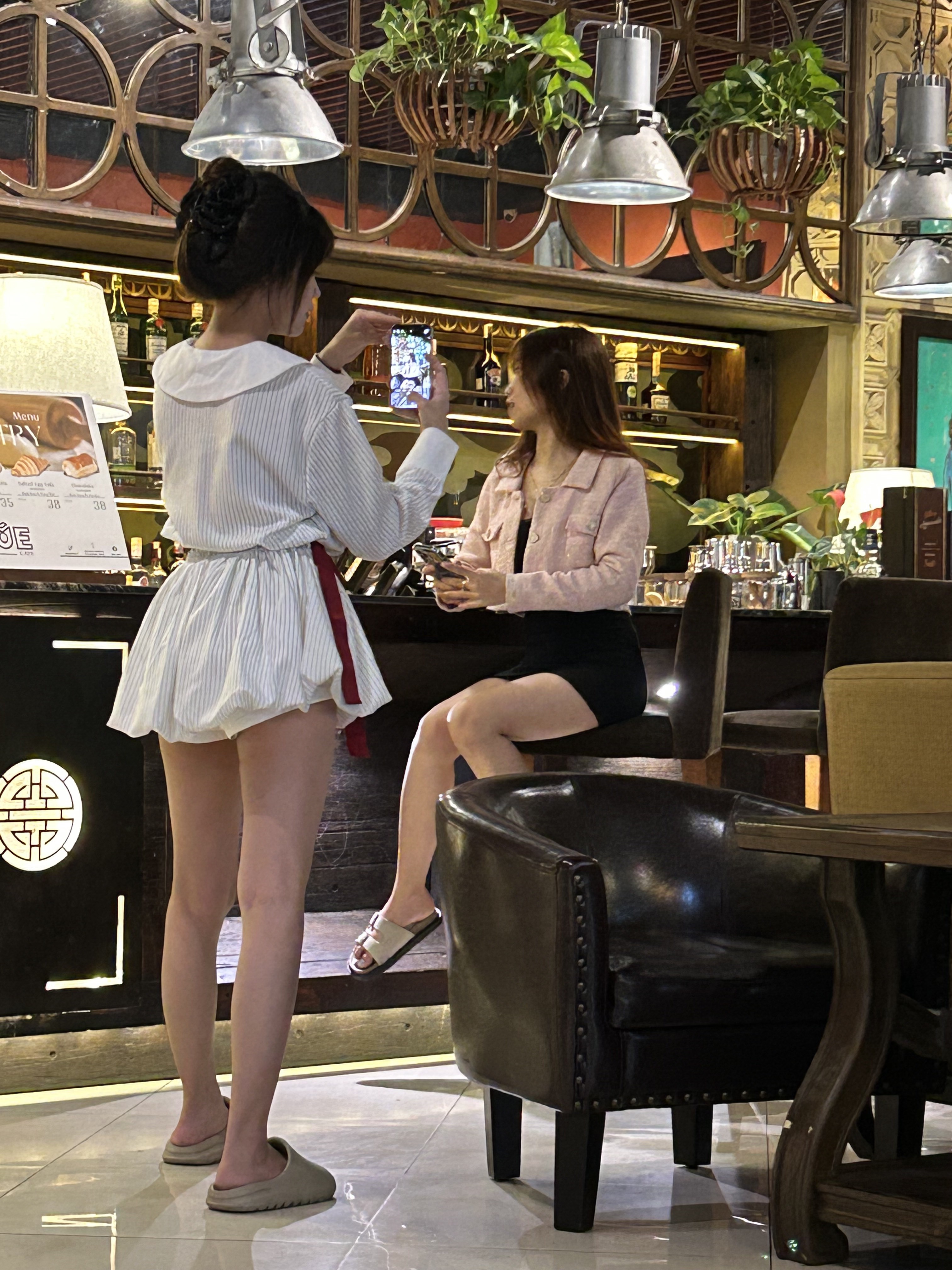
Fun fact: at certain famous monuments or locations, especially those popular with Asian tourists, you can rent ethnic or royal clothes so as to indulge more deeply in the very popular pastime of taking selfies or posing in a large number of practised and polished poses for your friends. We saw individuals, small groups, and large groups doing this wherever we went in Hué. And not always in historical costume. We dropped in to what turned out to be a fancy cafe/bar attached to a six star hotel that was full of 20 year old girls taking turns taking each others’ pictures pretending not to pose. Yikes.
All of the above is found below.
Princess House
Pagoda
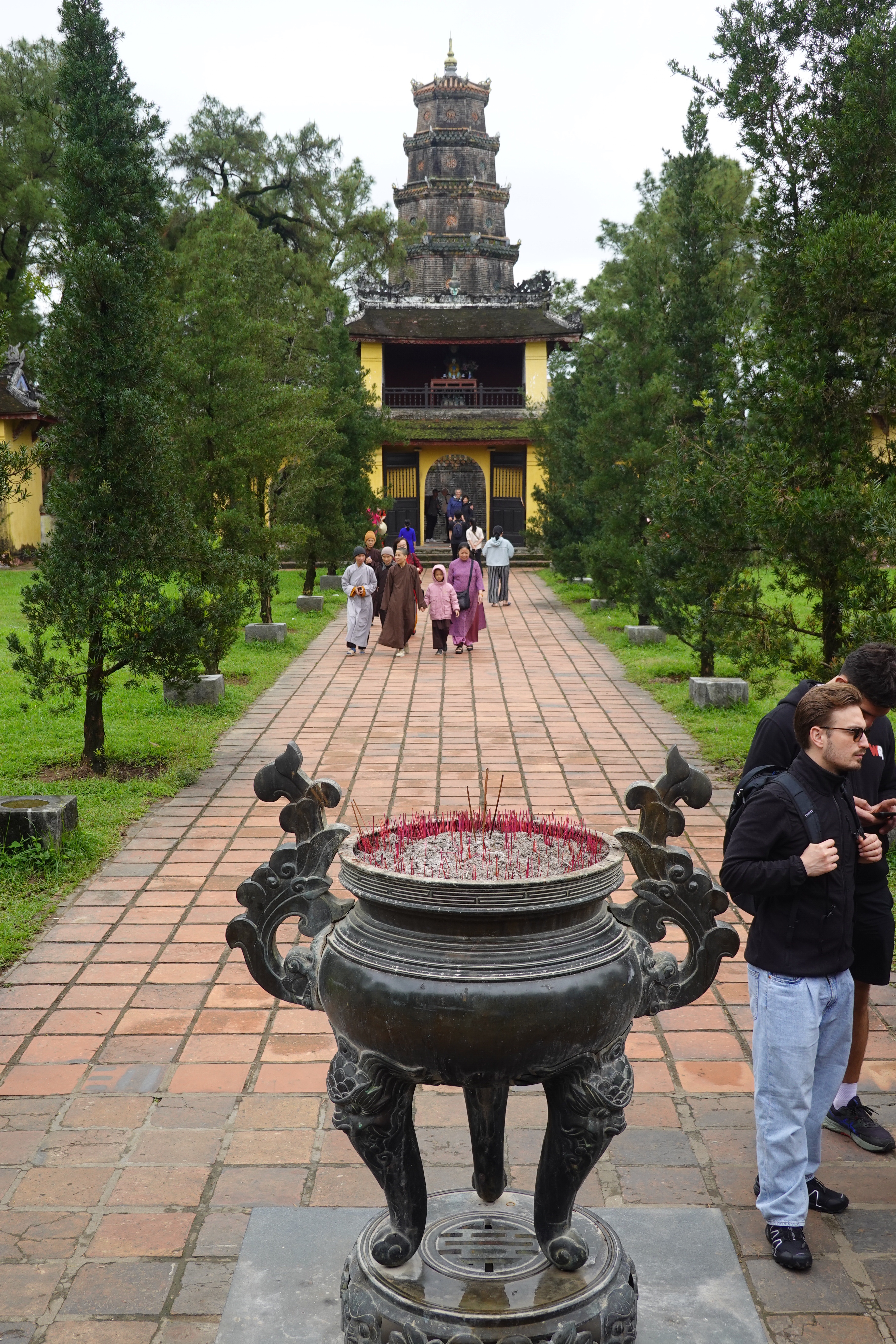
Imperial City
Summer Palace and Royal Tombs
Uh…

 Back to Beyond
Leave a reply to nathkent10 Cancel reply